Arborist Pruning in Reno, NV
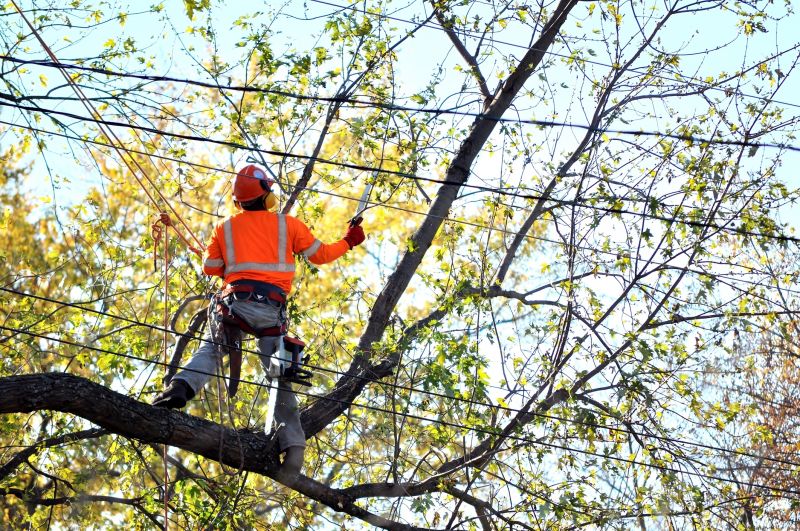
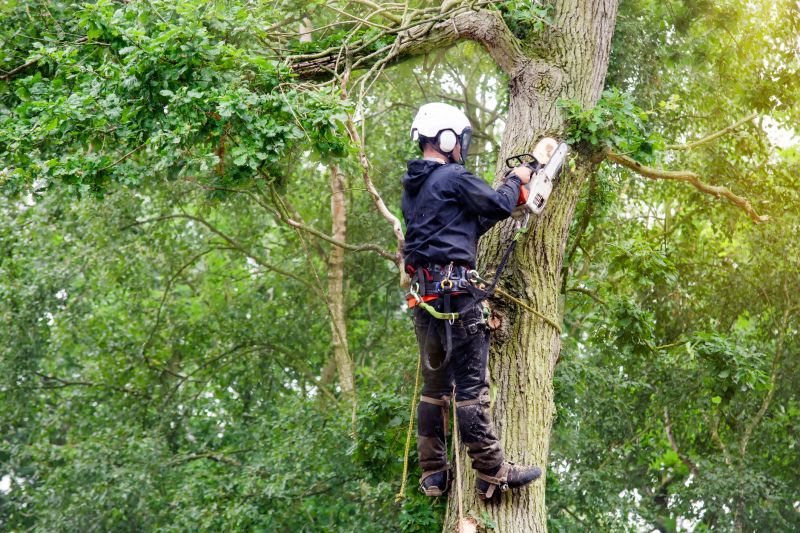
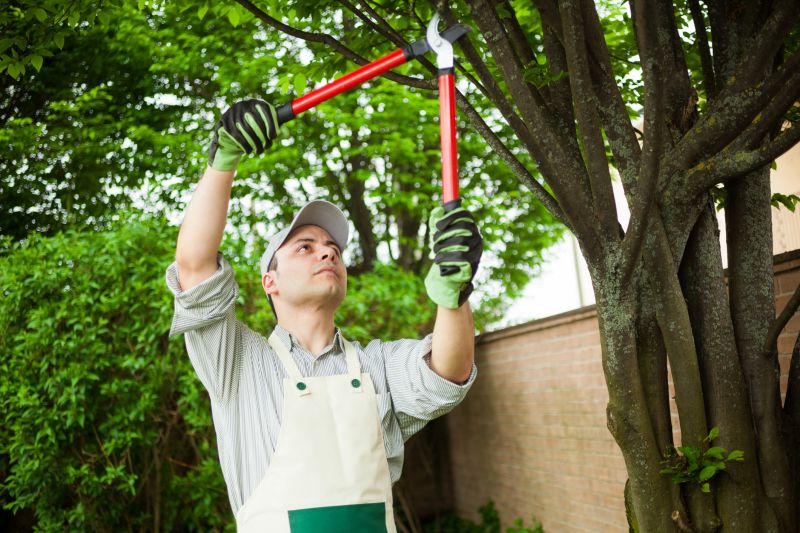
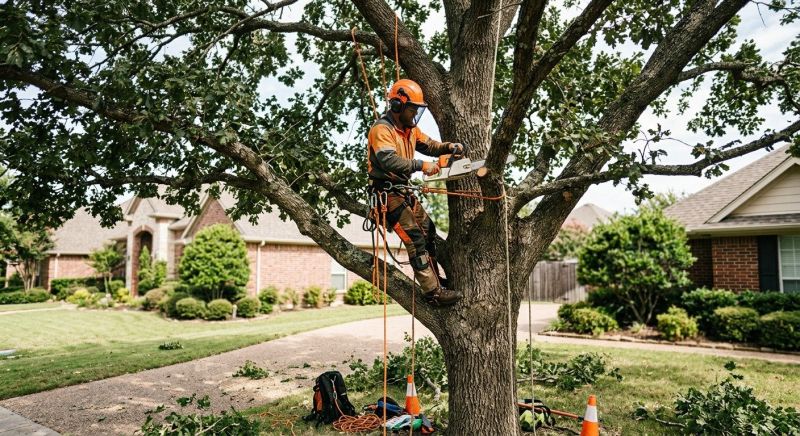
Arborist pruning services involve the careful trimming and shaping of trees to promote healthy growth, improve appearance, and ensure safety on residential properties. This service covers a variety of projects, including removing dead or diseased branches, reducing the size of overgrown trees, and shaping trees for aesthetic purposes. Homeowners often request pruning to prevent branches from interfering with power lines or structures, to enhance curb appeal, or to address safety concerns caused by weak or damaged limbs.
Before requesting arborist pruning, property owners should consider the specific goals for their trees, such as maintaining a certain shape or size, and be aware of any potential restrictions or guidelines related to tree care in their area. It’s also helpful to understand the condition of the trees, including any signs of disease or damage, to ensure that pruning efforts support the long-term health of the landscape. Clear communication about these aspects can help facilitate effective and appropriate tree care.
Many property owners in Reno, NV look into Arborist Pruning for repairs, replacements, upgrades, and appearance-related improvements.
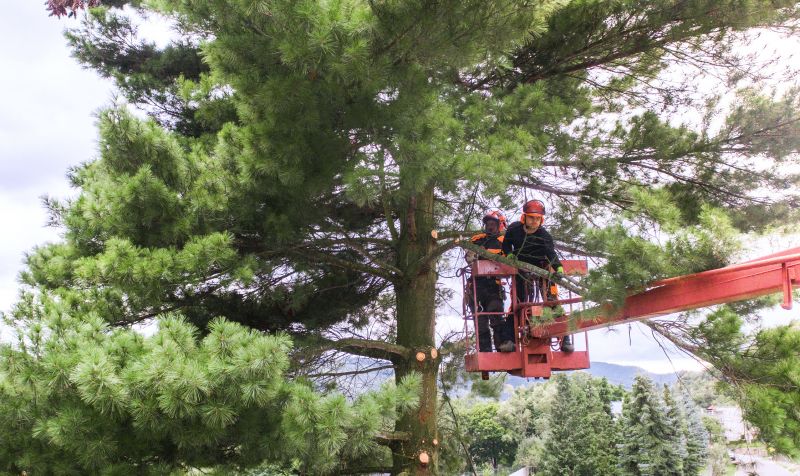
Tree Crown Thinning
Selective pruning to improve air flow and reduce wind resistance for healthier trees.
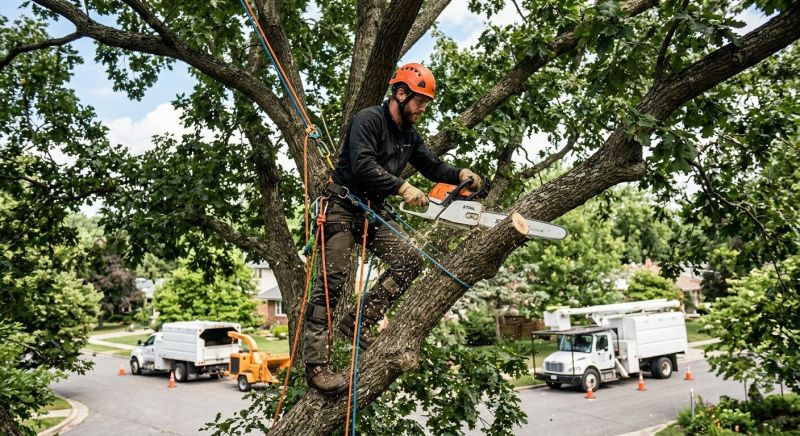
Structural Tree Pruning
Removing weak or crossing branches to promote strong growth and prevent storm damage.
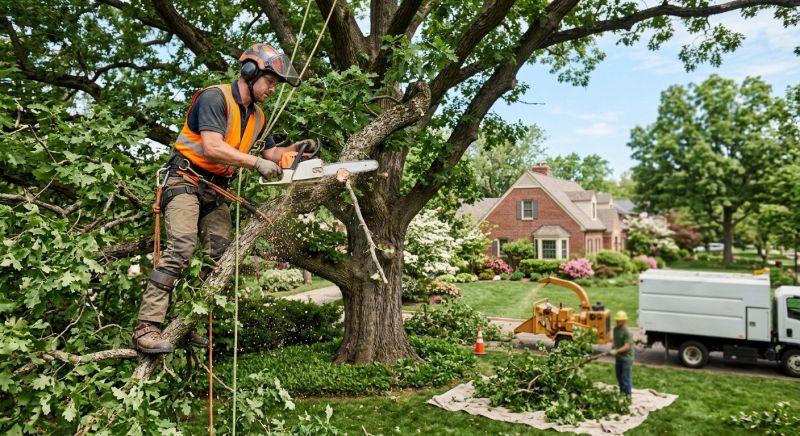
Hazardous Branch Removal
Eliminating dead or damaged limbs that pose risks to property and safety in reno neighborhoods.
Arborist Pruning in Reno, NV
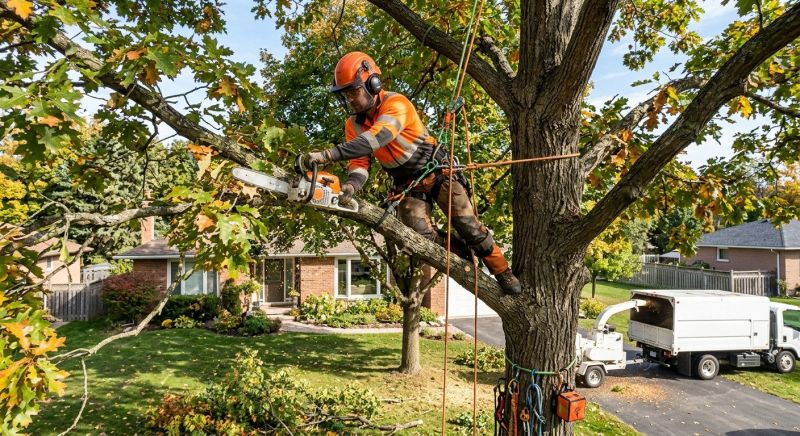
Arborist pruning services involve the careful trimming and shaping of trees to promote healthy growth, improve appearance, and ensure safety on residential properties. This service covers a variety of projects, including removing dead or diseased branches, reducing the size of overgrown trees, and shaping trees for aesthetic purposes. Homeowners often request pruning to prevent branches from interfering with power lines or structures, to enhance curb appeal, or to address safety concerns caused by weak or damaged limbs.
Before requesting arborist pruning, property owners should consider the specific goals for their trees, such as maintaining a certain shape or size, and be aware of any potential restrictions or guidelines related to tree care in their area. It’s also helpful to understand the condition of the trees, including any signs of disease or damage, to ensure that pruning efforts support the long-term health of the landscape. Clear communication about these aspects can help facilitate effective and appropriate tree care.
Many property owners in Reno, NV look into Arborist Pruning for repairs, replacements, upgrades, and appearance-related improvements.
Common Arborist Pruning Jobs
Tree thinning - reduces dense foliage to improve tree health and airflow.
Deadwood removal - eliminates broken or diseased branches to prevent potential hazards.
Structural pruning - shapes trees to promote strong growth and desirable form.
Crown reduction - decreases tree height and spread to prevent interference with structures or power lines.
Formative pruning - guides young trees toward healthy development and balanced growth.
Safety pruning - removes weak or hazardous branches to protect property and people.
Arborist Pruning Questions
What is arborist pruning? Arborist pruning involves selectively trimming and shaping trees to promote health, safety, and aesthetic appeal.
When should trees be pruned? Trees are best pruned during dormancy or when they show signs of dead, damaged, or overgrown branches.
Why is pruning important for trees? Proper pruning helps prevent hazards, improves tree structure, and encourages healthy growth.
What types of pruning are commonly requested? Common requests include crown thinning, crown reduction, deadwood removal, and shaping for aesthetic purposes.
Request Arborist Pruning in Reno, NV
Use the quote form on this page to share the basics of your project and request more information for the type of work you need.